- What liver function tests are and why doctors order them
- Typical reference ranges for a liver panel
- What each test on the panel measures
- Common causes of high liver enzymes and other abnormal results
- Patterns doctors look for in a liver panel
- Why one abnormal result often gets repeated
- How to prepare for a liver panel
- Follow-up tests your doctor may order
- How lifestyle changes relate to liver enzymes
- Supplements and liver tests
- When results or symptoms are an emergency
- Questions to ask your doctor about your results
- Common questions about liver function tests
What liver function tests are and why doctors order them
Liver function tests are a group of blood tests run on a single sample, usually drawn from a vein in your arm. You will also see the group called a liver panel, a hepatic function panel or liver chemistries. MedlinePlus, the patient site of the US National Library of Medicine, lists the usual members as ALT, AST, ALP, GGT, bilirubin, albumin, total protein, LDH and prothrombin time.
Key points
- ALT and AST are liver enzymes that leak into the blood when liver cells are irritated or damaged.
- ALP and GGT rise mainly when bile flow is slowed or blocked.
- Bilirubin, albumin and PT/INR say more about how well the liver is doing its work.
- Reference ranges differ by lab, sex and age, so the range printed on your own report is the one that counts.
- One abnormal result is common and is often repeated before anyone draws a conclusion.
- Medicines, supplements, alcohol and hard exercise can all change the numbers, so tell your doctor about each of them.
Many of the tests sit inside the comprehensive metabolic panel drawn at a routine checkup, so pletny of people learn about a raised liver enzyme when they feel completely well. Doctors also order a panel when symptoms could come from the liver, to follow a known liver condition, and to watch for side effects of certain medicines.
A liver panel gives clues and does not hand anyone a diagnosis. MedlinePlus says it directly: abnormal results do not always mean you have a problem with your liver. We wrote this guide, like the rest of our site about Livarix, to help you follow that conversation, and it cannot take the place of one.
Typical reference ranges for a liver panel
A reference range is the span of results a lab sees in most healthy peple it tests. The table uses the adult ranges given in the MedlinePlus Medical Encyclopedia. Treat them as examples.
| Test | Typical adult range (MedlinePlus) | What it mainly reflects |
|---|---|---|
| ALT (alanine transaminase) | 4 to 36 U/L | Liver cell irritation or injury |
| AST (aspartate aminotransferase) | 8 to 33 U/L | Liver cell injury, also muscle and heart |
| ALP (alkaline phosphatase) | 40 to 129 IU/L | Bile ducts and bone |
| GGT (gamma-glutamyl transferase) | 5 to 40 U/L | Bile ducts, alcohol, some medicines |
| Total bilirubin | 0.1 to 1.2 mg/dL | Clearing of old red blood cell pigment |
| Direct (conjugated) bilirubin | Less than 0.3 mg/dL | Bilirubin the liver has already processed |
| Albumin | 3.4 to 5.4 g/dL | Protein the liver makes |
| Total protein | 6.5 to 8.1 g/dL | Albumin plus globulins |
| Prothrombin time (PT) | 11 to 13.5 seconds | Clotting factors the liver makes |
| INR (not on warfarin) | 0.8 to 1.1 | PT expressed on a standard scale |
| LDH (lactate dehydrogenase) | 125 to 220 IU/L | Cell damage in many tissues |
| Platelet count | 150,000 to 400,000 per microliter | Reported on the blood count, used as a related marker |
Ranges differ by lab, sex and age. Labs use different machines and methods, and each sets its own limits. Children and teenagers run higher ALP because their bones are growing. The range printed beside your result on your own report is the one that counts.
"Normal" also has more than one definition. The 2017 American College of Gastroenterology guideline on abnormal liver chemistries says a truly healthy ALT is about 29 to 33 IU/L for men and 19 to 25 IU/L for women, lower than the upper limit many labs print. This is one reason a doctor may look into a result that sits only a little above the lab range.
What each test on the panel measures
ALT (alanine transaminase)
ALT is an enzyme found mainly inside liver cells. When those cells are inflamed or damaged, ALT leaks into the bloodstream. Muscle and kidney hold only small amounts, so ALT is the most liver-specific of the common enzymes.
A high ALT says liver cells are under some kind of stress without saying what the stress is. MedlinePlus lists hepatitis and other infections, cirrhosis, reduced blood flow to the liver and certain medicines (cholesterol and pain medicines among them) as possible reasons.
AST (aspartate aminotransferase)
AST also leaks out of injured cells. The difference is where it lives: in the liver, and also in the heart, skeletal muscle, kidneys, brain and red blood cells.
That wider spread makes AST less specific. A high AST with a normal ALT can come from a hard workout, a muscle injury or a heart problem. Doctors read AST and ALT together, and the relationship between the two is a clue in itself.
ALP (alkaline phosphatase)
ALP is an enzyme found in nearly every tissue, with the highest amounts in the liver, the bile ducts and bone. When bile flow slows or a duct is blocked, ALP rises.
Bone is the other big source. ALP is higher during growth spurts, and it rises in the third trimester of pregnancy because the placenta makes its own. MedlinePlus adds that a fatty meal before the blood draw can cause a small increase.
GGT (gamma-glutamyl transferase)
GGT is found throughout the body and is most concentrated in the liver. Its main use is to explain a high ALP. A high ALP with a high GGT points toward the liver or bile ducts, and a high ALP with a normal GGT points toward bone.
GGT is very sensitive. Alcohol raises it, and MedlinePlus notes that most people with alcohol use disorder have a high level. Certain medicines, diabetes and pancreatitis can raise it as well, and the test cannot say which is responsible.
Total and direct bilirubin
Bilirubin is a yellowish pigment made when the body breaks down old red blood cells. The liver takes it up, attaches a sugar molecule to it and sends it out in bile. Processed bilirubin is called direct or conjugated, and the rest is called indirect or unconjugated. Total bilirubin is the two added together.
The split helps narrow the cause. A mainly indirect rise suggests that more red blood cells than usual are being broken down, or that the liver is slow at the processing step, as in Gilbert syndrome. A mainly direct rise suggests liver cell disease or a blocked bile duct. When bilirubin climbs high enough it shows as jaundice, a yellow tint to the skin and eyes.
Albumin and total protein
Albumin is a protein made by the liver. It keeps fluid inside your blood vessels. The level tends to fall in long-standing liver disease such as cirrhosis.
Low albumin has many causes outside the liver, including kidney disease, poor protein intake and infection. A high albumin usually means dehydration. Total protein adds albumin to the globulins, a family of proteins that includes antibodies, and by itself it says little about the liver.
Prothrombin time and INR
Prothrombin time measures how many seconds a blood sample takes to clot. The liver makes prothrombin and other clotting factors, so a struggling liver can lengthen the time. The result is often converted to the INR, a standardized ratio that is easier to compare between labs.
A high PT or INR in someone who does not take a blood thinner can point to liver disease, a lack of vitamin K or a bleeding disorder. In people who take warfarin, a higher INR is the aim of treatment and is set by the prescribing doctor.
LDH and platelets as related markers
LDH is an enzyme found in almost every tissue, so a high level means cells somewhere have been damaged. It is too general to diagnose a liver problem.
Platelets are counted on the complete blood count, and liver doctors pay close attention to them. In advanced scarring of the liver the count often falls. Platelets are also one of the four inputs to the FIB-4 score described later.
Common causes of high liver enzymes and other abnormal results
Most mildly high results come from a short list of causes, and your doctor will usually work through it starting with your history.
Fatty liver is a very common reason for a mildly raised ALT. Fat builds up in liver cells, most often alongside excess weight or type 2 diabetes. The condition was renamed metabolic dysfunction-associated steatotic liver disease (MASLD) in 2023, though many reports still say NAFLD. Our guide to fatty liver disease covers it in detail.
Alcohol irritates liver cells directly and tends to raise GGT and AST. Viral hepatitis is another frequent cause. Hepatitis A, B, C, D and E can all push ALT and AST up sharply during an acute infection, while chronic hepatitis B and C often produce only small rises for years.
A paper for clinicians in the Canadian Medical Association Journal puts it bluntly: almost any medication can alter liver enzyme levels. Acetaminophen is safe at label doses, and an overdose is a leading cause of sudden liver failure. The FDA sets the limit at 4,000 mg in 24 hours for adults and warns that the drug hides in many combination cold and pain products. Statins and other cholesterol medicines can cause mild ALT rises in some people. Your prescriber decides what that means for you, so do not stop a prescribed medicine on the strength of a lab number.
Muscle is an often-missed source of AST and some ALT. In one study, 15 healthy men who were not used to lifting did a one-hour weightlifting session. Their AST and ALT rose significantly and stayed high for at least seven days, while GGT, ALP and bilirubin stayed in the normal range.
For a high ALP, the usual non-liver explanations are bone growth, pregnancy and bone disorders. When ALP rises together with GGT and direct bilirubin, doctors think about gallstones and other blockages of the bile ducts.
An isolated, mild rise in indirect bilirubin with every other test normal is very often Gilbert syndrome. MedlinePlus describes this inherited trait as a relatively mild condition in which levels go up when the body is under stress, for example during fasting, illness or intense exercise. A doctor should be the one to confirm it.
Less common causes include hemochromatosis, autoimmune hepatitis, Wilson disease and alpha-1 antitrypsin deficiency, which are found with specific blood tests.
Patterns doctors look for in a liver panel
The shape of the whole panel tells a doctor much more than any single number. The first question is usually which group of enzymes is raised most.
In a hepatocellular pattern, ALT and AST are raised out of proportion to ALP. This says the liver cells themselves are the main site of trouble. In a cholestatic pattern, ALP is raised out of proportion to ALT and AST, usually with GGT, which says bile is not flowing freely. Some people show a mixed pattern.
The second question is how high. The Canadian Medical Association Journal paper groups aminotransferase rises as mild (less than 5 times the upper reference limit), moderate (5 to 10 times) and marked (more than 10 times), while admitting the cutoffs are somewhat arbitrary. Mild rises are by far the most common. Very high levels, above 75 times the limit, point toward a toxic injury such as acetaminophen overdose or a sudden loss of blood flow to the liver.
The third clue is the AST to ALT ratio. In most liver conditions ALT is the higher of the two. In alcohol-related liver disease AST is often higher. A Swedish study of people with heavy alcohol use found the ratio was 2 or above in 69 percent of those with alcohol-related cirrhosis and only rarely in those without serious liver disease. AST from muscle can also push the ratio up.
| Pattern on the report | What it can suggest | Examples doctors consider |
|---|---|---|
| ALT and AST raised more than ALP (hepatocellular) | Liver cells are irritated or injured | Fatty liver, viral hepatitis, alcohol, medicines, supplements |
| ALP raised more than ALT and AST, with high GGT (cholestatic) | Bile flow is slowed or blocked | Gallstones in the bile duct, bile duct diseases, some medicines |
| ALP high, GGT normal | The ALP is probably coming from bone | Growth in teenagers, healing fracture, Paget disease of bone |
| AST higher than ALT, ratio 2 or more | Alcohol-related liver disease is more likely | Long-term heavy drinking, often with high GGT |
| AST and ALT high after hard exercise, GGT and bilirubin normal | The enzymes may be coming from muscle | Weightlifting, endurance events, muscle injury |
| Marked rise, over 10 times the upper limit | Acute liver cell injury | Acute viral hepatitis, toxic or drug injury, loss of blood flow |
| Indirect bilirubin mildly high, all else normal | Often a harmless inherited trait | Gilbert syndrome, or increased red blood cell breakdown |
These patterns overlap, and the same pattern can mean different things in two different people.
Why one abnormal result often gets repeated
A reference range is built to include most healthy people, which means a small share of healthy people will always land just outside it. A recent cold, a new medicine or a heavy gym session adds to that number.
For that reason, a doctor who sees a mild, isolated rise in someone with no symptoms will often repeat the panel after a few weeks.
A repeat test still calls for attention. The 2017 guideline points out that a raised ALT has been linked in multiple studies with higher liver-related mortality, and the authors of the Canadian paper advise starting basic screening at the same time as the repeat. Results that are clearly high, or that come with symptoms or a raised bilirubin or INR, are handled faster.
How to prepare for a liver panel
A little care beforehand makes the result easier to interpret.
- Fast if you are asked to. MedlinePlus says you will probably need to fast for 10 to 12 hours before a liver panel, mainly because it is often drawn with other tests. Follow the instructions your own clinic gives you.
- Go easy on alcohol beforehand. Alcohol raises GGT and can raise AST. Ask your doctor how long to hold off, and be honest about your usual intake.
- Skip very hard workouts in the days before the draw. Heavy lifting or an endurance event can lift AST and ALT for a week or more.
- Bring a full list of what you take. Include prescription medicines, over-the-counter pain relievers, vitamins and herbal products, with doses if you know them.
- Keep taking prescribed medicines unless your doctor tells you to stop.
- Mention recent events such as a viral illness, a new medicine, pregnancy or an injury.
Follow-up tests your doctor may order
If a result stays abnormal, your doctor will choose among the tests below to find the cause.
Hepatitis B and C blood tests come early in most workups. The CDC recommends that all adults aged 18 and older be tested for hepatitis C at least once in their lifetime, and it makes a similar recommendation for hepatitis B. Hepatitis C testing starts with an antibody test, and a positive result is followed by an RNA test that shows whether the virus is still present.
Iron studies check for hemochromatosis, an inherited condition in which the body stores too much iron. They usually include ferritin and transferrin, the protein that carries iron in blood.
An abdominal ultrasound uses sound waves to create a picture of the liver, gallbladder and bile ducts. It can show fat in the liver and gallstones. NIDDK notes that routine imaging cannot show inflammation or scarring.
FIB-4 is a score your doctor calculates from your age, AST, ALT and platelet count. NIDDK explains that scores like FIB-4 help doctors identify or rule out advanced fibrosis, the medical word for scarring.
Elastography measures how stiff the liver is, using a special ultrasound device or MRI. A stiffer liver may mean more scarring.
Depending on the pattern, doctors may also test for autoimmune markers or check creatine kinase to see whether muscle is the source. A liver biopsy is reserved for cases where blood tests and imaging have not given a clear answer.
How lifestyle changes relate to liver enzymes
Lifestyle matters most when the cause of a high enzyme is fatty liver or alcohol. It matters much less when the cause is a virus or a blocked duct, which is why finding the cause comes first.
Weight has the strongest evidence. NIDDK states that losing at least 3 to 5 percent of body weight can reduce fat in the liver, and that losing 7 to 10 percent may be needed to reduce inflammation and scarring. For a person who weighs 200 pounds, the first target is 6 to 10 pounds.
Enzymes raised by drinking often fall once drinking stops or drops. How much alcohol is acceptable depends on your diagnosis. Stopping suddenly after long-term heavy drinking can be dangerous, so plan it with a doctor.
A 2021 meta-analysis of 19 observational studies covering more than 220,000 people found that coffee drinkers had lower ALT and AST levels and lower odds of a raised result. Observational research cannot prove that coffee is the cause, and the authors called for randomized trials.
Regular exercise helps with weight and blood sugar. An unusually hard session can push AST and ALT up for several days, so a temporary bump after starting a new training program is a known effect. What you eat matters too, and our article on liver-friendly foods goes through the evidence.
Supplements and liver tests
Some supplements can raise liver enzymes. MedlinePlus lists dietary supplements among the things that can affect an ALT result, and NIDDK warns that some herbal remedies can damage the liver. A 2026 paper from the US Pharmacopeia collected rarely reported cases of liver injury linked to turmeric and curcuminoid supplements.
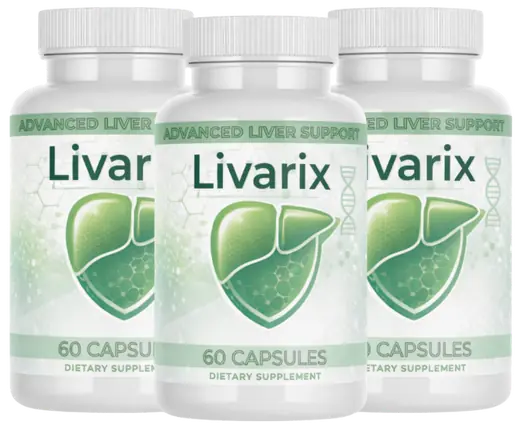
Livarix liver support capsules are a dietary supplement for daily liver support, taken as two capsules once a day. The product has not been tested in a clinical trial, and it is not claimed to lower liver enzymes or to treat any liver condition. Its ingredient amounts are gentle, food-level doses, lower than the concentrated extracts used in studies, so we describe it as daily nutritional support alongside good habits.
One practical point in its favor is transparency. Livarix prints every dose on its label with no proprietary blend, which makes it easy to show a doctor exactly what you are taking. You can see the full list, with amounts per serving, on our ingredients page.
Whatever you take, tell your doctor about all of it before a liver panel and again if a result comes back abnormal. If your enzymes are high and the cause is not yet known, ask whether to pause any supplement, including this one. The Livarix label itself advises pregnant or nursing mothers, children under 18 and people with a known medical condition to consult a physician first.
When results or symptoms are an emergency
Most abnormal liver panels are sorted out in ordinary appointments. Some situations need same-day medical attention. Contact a doctor urgently, or go to an emergency department, if you have any of the following:
- Yellow skin or yellowing of the whites of your eyes
- Dark, tea-colored urine or pale, clay-colored stools
- Pain under the right ribs, especially if it is severe or comes with fever
- Swelling of the belly, or new swelling in the legs and ankles
- Confusion, unusual sleepiness or changes in personality
- Easy bruising, bleeding that will not stop, vomiting blood or black stools
A suspected overdose of acetaminophen is an emergency even when the prson feels fine. Treatment works best when it is started early. In the United States, Poison Help is available at 1-800-222-1222.
Questions to ask your doctor about your results
Writing a few questions down beforehand helps you leave the appointment knowing where things stand.
- Which of my results are outside the lab's range, and by how much?
- Does the overall pattern look hepatocellular, cholestatic or mixed?
- What do you think is the most likely cause in my case?
- Could any of my medicines, supplements or herbal products be contributing?
- Should the test be repeated, and when?
- Do I need testing for hepatitis B and hepatitis C?
- Would an ultrasound, a FIB-4 score or elastography be useful for me?
- How much alcohol, if any, is reasonable for me while this is being looked into?
- Which symptoms sohuld make me call you or seek urgent care?
Common questions about liver function tests
Can liver enzymes be high for no reason?
There is always a reason, though it is sometimes minor and temporary. A hard workout, a recent infection or a new medicine can all produce a mildly high result. When repeat testing stays abnormal, doctors keep looking, because fatty liver and chronic viral hepatitis often cause no symptoms.
How quickly can ALT come down?
It depends on what raised it. After hard exercise, the weightlifting study found AST and ALT still raised seven days later. After a medicine or a short illness, levels generally settle over weeks. With fatty liver, improvement tends to follow weight loss over months. Your doctor will set the timing of the next test.
Do I need to fast before a liver panel?
Often, yes. MedlinePlus says you will probably need to fast for 10 to 12 hours, and a fatty meal can cause a small rise in ALP. Follow the instructions your clinic gave you.
Can I have liver disease with normal liver enzymes?
Yes. Enzymes can sit inside the lab range in people with fatty liver, chronic hepatitis or even advanced scarring. This is why doctors also look at platelets, albumin, scores such as FIB-4 and imaging when the history suggests a risk.
Should I take a supplement to bring my numbers down?
No supplement should stand in for finding the cause of an abnormal result, and none can be promised to lower liver enzymes. If you want one for general daily support, choose a product with a fully disclosed label and show it to your doctor first. Our Livarix guide on the homepage sets out what the product contains and what it does not claim to do.
Check the Livarix price Opens trylivarix.com. Affiliate link.
Sources
- MedlinePlus, National Library of Medicine. Liver Function Tests. MedlinePlus
- MedlinePlus Medical Encyclopedia. Alanine transaminase (ALT) blood test. MedlinePlus
- MedlinePlus Medical Encyclopedia. Aspartate aminotransferase (AST) blood test. MedlinePlus
- MedlinePlus Medical Encyclopedia. ALP blood test. MedlinePlus
- MedlinePlus Medical Encyclopedia. Bilirubin blood test. MedlinePlus
- Kwo PY, Cohen SM, Lim JK. ACG Clinical Guideline: Evaluation of Abnormal Liver Chemistries. PubMed 27995906
- Giannini EG, Testa R, Savarino V. Liver enzyme alteration: a guide for clinicians. PubMed 15684121
- Nyblom H, et al. High AST/ALT ratio may indicate advanced alcoholic liver disease rather than heavy drinking. PubMed 15208167
- Pettersson J, et al. Muscular exercise can cause highly pathological liver function tests in healthy men. PubMed 17764474
- Ding J, Zhang Y. Associations of Coffee Consumption with the Circulating Level of Alanine Aminotransferase and Aspartate Aminotransferase. A Meta-Analysis of Observational Studies. PubMed 32343195
- Akhtar N, et al. Rarely reported cases of hepatotoxicity associated with turmeric- and curcuminoid-containing dietary supplements: a comprehensive review by USP. PubMed 42364655
- National Institute of Diabetes and Digestive and Kidney Diseases. Diagnosis of NAFLD and NASH. NIDDK
- National Institute of Diabetes and Digestive and Kidney Diseases. Treatment for NAFLD and NASH. NIDDK
- Centers for Disease Control and Prevention. Testing for Hepatitis C. CDC