- What your liver does with the food you eat
- The eating pattern liver doctors recommend
- Foods good for the liver: drinks, fish and healthy fats
- Foods good for the liver: grains, vegetables, fruit and spices
- Foods and drinks to limit, and why
- Supplements and herbs that can strain the liver
- Simple swaps and a sample day of eating
- What liver detox and cleanse diets can and cannot do
- Portion size, weight and your liver
- Eating for specific situations
- Food safety and the liver
- Shopping and cooking tips for a liver-friendly diet
- Common questions about food and the liver
What your liver does with the food you eat
After a meal, your small intestine absorbs nutrients and your blood carries them straight to the liver. The National Institute of Diabetes and Digestive and Kidney Diseases (NIDDK) describes the liver as the organ that stores, processes and delivers nutrients to the rest of the body when they are needed. It also makes bile, the digestive juice that helps you digest fats and some vitamins.
Key points
- A Mediterranean-style pattern built on vegetables, whole grains, legumes, fish, nuts and olive oil is the liver-friendly diet with the most research behind it.
- Sugary drinks, alcohol, refined carbohydrates and fried or heavily processed foods are the main things to cut back.
- NIDDK says losing 3% to 5% of body weight can reduce fat in the liver for people who carry extra weight.
- Coffee and brewed tea fit well in a liver-friendly diet. Concentrated green tea extract pills have been linked to liver injury.
- No detox diet or cleanse has been shown to treat liver disease. A healthy liver clears waste without help.
Each part of your plate takes a different route. Carbohydrates break down into glucose, and the liver stores some of it as glycogen, then releases it between meals to keep blood sugar steady. When more carbohydrate arrives than the body can use or store, the liver turns part of the surplus into fat.
Fructose, the sugar found in table sugar, high-fructose corn syrup, fruit and juice, is processed mostly in the liver. Large amounts from sweet drinks arrive fast, and the liver converts much of the excess into fat, some of which stays in the liver.
Fats are packaged in the liver and sent out to the body or burned for energy. Protein arrives as amino acids, which the liver uses to build blood proteins, and the leftover nitrogen becomes urea for the kidneys to remove. The liver also breaks down most of the alcohol you drink, and the by-products of that work can injure liver cells over time.
The eating pattern liver doctors recommend
When liver specialists talk about diet, most of them point to Mediterranean-style eating. MedlinePlus describes it as plant-based meals with only small amounts of lean meat and chicken, more servings of whole grains, fresh fruits and vegetables, nuts and legumes, plenty of fish and seafood, and olive oil as the main fat for cooking. Red meat, sweets, eggs and butter appear in small amounts.
The research on this pattern in people with fatty liver is encouraging. A 2021 meta-analysis of six randomized controlled trials found that a Mediterranean diet improved a measure of liver fat and reduced insulin resistance in people with nonalcoholic fatty liver disease. The trials were small, with 250 people in total.
NIDDK gives matching advice for people with fatty liver: replace saturated and trans fats with unsaturated fats, especially omega-3 fatty acids, eat more low-glycemic index foods such as most fruits, vegetables and whole grains, and avoid foods and drinks with large amounts of simple sugars, especially fructose.
The pattern matters more than any single food. No one ingredient can make up for a diet that is high in sugar, alcohol and fried food. A plate that is mostly plants, with fish or beans for protein and olive oil for fat, covers nearly every food listed below.
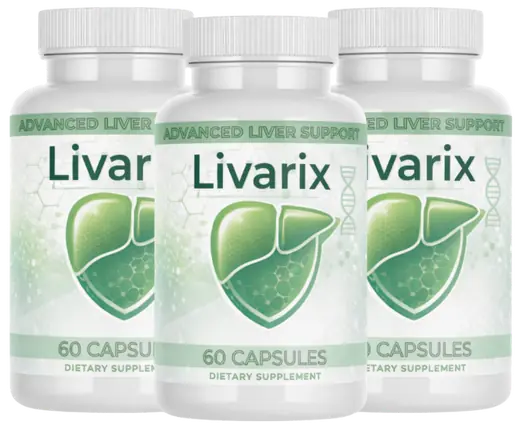
This site is the home of Livarix, a daily liver support capsule made with food-level amounts of several plants covered in this guide. Food comes first, and a supplement belongs alongside good meals, never in place of them.
Foods good for the liver: drinks, fish and healthy fats
Coffee
Coffee has more liver research behind it than any other drink. A 2017 meta-analysis of observational studies found that coffee drinkers had a lower risk of nonalcoholic fatty liver disease than people who did not drink coffee, and that regular coffee drinkers who already had fatty liver had a lower risk of liver scarring. These studies show a link and cannot prove cause, and the definition of regular coffee drinking varied from study to study.
If you already enjoy coffee, a cup or two in the morning fits well in a liver-friendly diet. Drink it black or with a little milk, since syrups and whipped cream turn it into a dessert.
Green tea and other tea
The National Center for Complementary and Integrative Health (NCCIH) says no safety concerns have been reported for green tea consumed as a beverage by adults, though it does contain caffeine.
Concentrated green tea extract in tablets and capsules is a different matter. NCCIH reports that liver problems, while uncommon, have occurred in people taking these extracts. Enjoy tea in a cup, and talk with your doctor before taking green tea extract pills.
Oily fish and omega-3 fats
NIDDK names omega-3 fatty acids as the unsaturated fats to favor when you have fatty liver. Oily fish such as salmon, sardines, mackerel and trout are the richest food sources. Omega-3 fats are also known to lower triglycerides, a blood fat that is often high in people with fatty liver.
Two fish meals a week is a common target. Canned salmon or sardines on whole grain toast count, and they cost far less then fresh fillets.
Olive oil
Olive oil is the main cooking fat in Mediterranean eating and is rich in unsaturated fat. Using it in place of butter, lard or shortening follows the NIDDK advice to swap saturated fat for unsaturated fat.
Nuts
Nuts supply unsaturated fat, fiber and some protein, and they are a regular part of the Mediterranean pattern. Walnuts also provide a plant form of omega-3. A samll handful of unsalted nuts a day works as a snack or as a topping for oatmeal and salads.
Foods good for the liver: grains, vegetables, fruit and spices
Oats, whole grains and fiber
Whole grains are digested slowly, so they raise blood sugar more gently than white bread or white rice. NIDDK lists whole grains among the low-glycemic index foods to eat more of. Oats, beans and lentils also contain soluble fiber, which forms a gel during digestion and is linked to lower cholesterol.
Leafy greens and cruciferous vegetables
Spinach, kale, arugula, broccoli, cabbage, cauliflower and Brussels sprouts are low in calories and high in fiber, folate and vitamin K. No single vegetable has been proven to protect the liver in human trials. They fill the plate and leave less room for refined starch, so aim for half your plate at lunch and dinner.
Beets
Beets contain natural nitrates and red pigments called betalains. Most of the human research on beetroot is about blood pressure and its nitrate content, and liver-specific studies in people are still few. Roasted beets in a salad or grated raw beet in a slaw are simple ways to eat them, and our beet root guide covers the research in more detail.
Berries and other whole fruit
Whole fruit contains fructose, but it comes with water and fiber that slow its absorption. NIDDK counts most fruits as low-glycemic index foods, while it lists juices among the sources of fructose to avoid in large amounts. Berries, apples, oranges and pears are easy choices.
Garlic and onions
Garlic and onions contain sulfur compounds that have been studied in the lab, but the evidence for a direct liver benefit in people is limited. In the kitchen they add enough flavor that you can use less salt and skip bottled sauces that are high in sugar and sodium.
Beans, lentils and other legumes
Legumes give you protein and fiber together with almsot no saturated fat. Swapping a few meat meals a week for bean chili or lentil soup moves your diet toward the Mediterranean pattern.
Turmeric and ginger as spices
Research on turmeric and ginger for liver health mostly uses concentrated extracts in capsules, at doses far above what a curry or a cup of ginger tea provides. The kitchen versions are best thought of as flavorful, low-salt seasonings.
NCCIH does warn that highly bioavailable curcumin supplements, the kind made to increase absorption, have been linked to liver damage in some people. You can read more on our pages about turmeric root powder and ginger root.
Artichokes
Artichokes are among the highest-fiber vegetables, and their leaves contain cynarin and other bitter compounds that are traditionally used to support digestion and bile flow. Small trials of concentrated leaf extract have looked at fatty liver, which we cover in our artichoke extract guide. Canned artichoke hearts, packed in water and rinsed, are an easy addition to salads and pasta.
Water
Water does not flush the liver, and it does not need to. Its value is that it replaces the drinks that add sugar and alcohol.
Foods and drinks to limit, and why
Sugary drinks and added fructose
NIDDK advises people with fatty liver to avoid foods and drinks with large amounts of simple sugars, especially fructose, and names sweetened soft drinks, sports drinks, sweetened tea and juices as sources. Table sugar counts too, because it is rapidly changed to glucose and fructose during digestion.
Alcohol
Alcohol is a direct cause of liver disease. The CDC defines one standard drink in the United States as 0.6 ounces (14 grams) of pure alcohol, which equals:
- 12 ounces of beer with 5% alcohol
- 8 ounces of malt liquor with 7% alcohol
- 5 ounces of wine with 12% alcohol
- 1.5 ounces of 80-proof distilled spirits (40% alcohol)
Many pours at home are larger than these. The CDC defines moderate drinking as two drinks or less in a day for men and one drink or less in a day for women, and states that drinking less is better for health than drinking more.
For the liver, less is better and none is safest. NIDDK tells people with fatty liver to minimize alcohol and tells people with cirrhosis to stop drinking completely.
Refined carbohydrates
White bread, white rice, pastries, crackers and many breakfast cereals are digested quickly and act much like sugar in the body. You do not have to remove them entirely. Shift the balance so that most of your grains are whole.
Fried and ultra-processed foods
Fried chicken, fries, chips, packaged snack cakes and fast food meals combine refined starch, saturated fat, salt and often sugar in a form that is very easy to overeat. Cooking at home a few more nights a week is the simplest fix.
Processed and red meat
Bacon, sausage, hot dogs and deli meats are high in saturated fat and sodium. The Mediterranean pattern keeps red meat to small amounts and leans on fish, poultry and beans for protein. Treat a steak or a burger as an occasional meal.
Too much salt
Salt matters most once the liver is scarred. In cirrhosis the body holds on to sodium and water, which can cause swelling in the legs and fluid in the belly. MedlinePlus notes that people with this kind of fluid retention are often told to keep sodium to 2,000 milligrams a day or less. Your doctor will set the right limit for you.
Raw shellfish if you have liver disease
Raw oysters and other raw shellfish can carry Vibrio bacteria. NIDDK tells people with cirrhosis to avoid raw or undercooked shellfish, fish and meat, as well as unpasteurized milk and milk products. The CDC says cooking seafood before eating it is especially important for people with liver disease.
Supplements and herbs that can strain the liver
The liver processes pills as well as food, and a few products deserve care. NIDDK notes that some herbal remedies can damage the liver and advises talking with your doctor before you use dietary supplements, including vitamins.
Vitamin A is the best-known example among vitamins. It is fat-soluble and stored in the liver. According to MedlinePlus, taking too many supplements is the most common cause of vitamin A toxicity, and liver damage is one of the possible results. Check your labels so you are not getting vitamin A from several products at once.
Green tea extract capsules and highly absorbable curcumin products have both been linked to liver injury in a small number of people, as described above. Bodybuilding products are a separate concern. The FDA has warned that some of them illegally contain steroids or steroid-like substances and has received reports of serious liver injury in people who used them.
Stop any supplement and call your doctor if you notice yellow skin or eyes, dark urine, pain under the right ribs, unusual tiredness, nausea or loss of appetite.
Livarix liver support capsules print every dose on the label, including turmeric root powder 300 mg, beet root powder 200 mg, artichoke extract 50 mg and ginger root powder 50 mg per two-capsule serving. These are gentle, food-level amounts, lower than the concentrated extracts used in clinical trials, and they are meant as daily nutritional support alongside good habits.
Livarix is a dietary supplement, and no trial has tested the product itself. The label advises pregnant or nursing mothers, children under 18 and people with a known medical condition to consult a physician first.
Simple swaps and a sample day of eating
Pick two or three swaps from this table and add more once they feel normal.
| Eat or drink less | Eat or drink more |
|---|---|
| Soda, sweet tea, sports drinks, fruit juice | Water, sparkling water, unsweetened tea, black coffee |
| Sweetened breakfast cereal or pastries | Plain oats with berries and walnuts |
| White bread, white rice, regular pasta | Whole grain bread, brown rice, barley, whole wheat pasta |
| Butter, lard or shortening for cooking | Olive oil |
| Bacon, sausage and deli meats | Fish, skinless poultry, beans, lentils |
| Chips, crackers and candy | A handful of unsalted nuts, whole fruit, raw vegetables with hummus |
| Salt and bottled sauces for flavor | Garlic, onion, lemon, herbs, turmeric, ginger |
| Beer, wine or cocktails most evenings | Alcohol-free days, or sparkling water with citrus |
Here is how one liver-friendly day could look. Portions depend on your size and activity.
| Meal | Sample menu |
|---|---|
| Breakfast | Plain oatmeal cooked with milk or water, topped with blueberries and a tablespoon of chopped walnuts. Black coffee or green tea. |
| Lunch | Large salad of spinach, roasted beets, chickpeas, artichoke hearts, tomato and cucumber, dressed with olive oil and lemon. One slice of whole grain bread. |
| Snack | An apple with a small handful of unsalted almonds, or raw carrots with hummus. |
| Dinner | Baked salmon with garlic and lemon, roasted broccoli, and brown rice seasoned with turmeric and ginger. |
| Drinks | Water through the day, unsweetened tea, coffee in the morning. No sugary drinks and no alcohol. |
If you have cirrhosis or diabetes, ask your care team to adjust the menu before you follow it.
What liver detox and cleanse diets can and cannot do
Juice cleanses, detox teas and liver flush kits are sold with the promise of clearing toxins from the liver. A healthy liver already does this work around the clock. It changes waste products, alcohol and medicines into forms the body can remove through bile and urine.
The research does not support the marketing. NCCIH reports that only a small number of studies on detoxification programs have been done in people, and that those studies were of low quality. A 2015 analysis found no compelling research to support detox diets for weight management or for eliminating toxins from the body. No cleanse has been shown to treat fatty liver, hepatitis, cirrhosis or any other liver disease.
Some cleanses carry risks. NCCIH lists several: the FDA and the Federal Trade Commission have taken action against companies selling detox products that contained hidden ingredients, unpasteurized juices can make people sick, juices high in oxalate can be a problem for people prone to kidney stones, and programs that include laxatives can cause diarrhea and dehydration.
People often feel better during a cleanse because for a week they drink no alcohol and eat no fast food. You can keep those habits without the kit.
Portion size, weight and your liver
For people who carry extra weight, body weight is the factor with the largest effect on liver fat. NIDDK states that losing at least 3% to 5% of your body weight can reduce fat in the liver, and that losing 7% to 10% may be needed to reduce liver inflammation and scarring.
For someone who weighs 200 pounds, 3% to 5% is 6 to 10 pounds, and 7% to 10% is 14 to 20 pounds.
NIDDK recommends losing weight gradually and warns that rapid weight loss and malnutrition can make liver disease worse.
Two habits help with portions without counting every calorie:
- Fill half the plate with vegetables, a quarter with protein and a quarter with whole grains.
- Serve food in the kitchen and bring the plate to the table, so second helpings take a deliberate trip.
Eating for specific situations
Fatty liver
The priorities are gradual weight loss if you are overweight, far fewer sugary drinks, more unsaturated fat in place of saturated fat, and as little alcohol as possible. Our guide to fatty liver disease explains the condition, and your doctor can track your progress with liver function tests and imaging.
Cirrhosis
NIDDK reports that 50% to 90% of people with cirrhosis have malnutrition, so the goal is usually to eat enough, with particular attention to protein. MedlinePlus gives a general figure of about 1.2 to 1.5 grams of protein per kilogram of body weight for people with liver disease and warns against limiting protein too much.
NIDDK also says people with cirrhosis should avoid going without food for long. The right amounts of protein, salt and fluid depend on your stage and your lab results, so ask your doctor for a referral to a registered dietitian.
Diabetes or prediabetes
Type 2 diabetes and fatty liver often occur together, and the same pattern of eating helps both. If you take insulin or other glucose-lowering medicine, talk with your care team before making large changes to your carbohydrate intake, because your doses may need to change.
Food safety and the liver
Death cap mushrooms and related Amanita species contain toxins that destroy liver cells, and they can look like edible varieties. The CDC continues to report clusters of poisonings in people who ate foraged mushrooms, some ending in liver transplant or death. Eat only mushrooms from a store or a trusted grower.
Aflatoxins are toxins produced by certain fungi that grow on crops such as corn, peanuts, cottonseed and tree nuts. The National Cancer Institute states that exposure to aflatoxins is associated with an increased risk of liver cancer. To reduce exposure, it suggests buying only major commercial brands of nuts and nut butters and discarding nuts that look moldy, discolored or shriveled.
Acetaminophen, the pain reliever in Tylenol and many cold and flu products, can cause liver failure when too much is taken. The FDA says adults should take no more than 4,000 mg in 24 hours, should not use more than one product containing acetaminophen at a time, and that severe liver damage may occur if you have three or more alcoholic drinks every day while using it. If you have liver disease, ask your doctor what dose is safe for you.
Shopping and cooking tips for a liver-friendly diet
- Buy most of your food from the produce, fish, dairy and whole grain sections.
- Read the Nutrition Facts label for added sugars and sodium. Compare two brands of the same food and take the lower one.
- Stock the freezer with plain frozen vegetables, berries and fish fillets.
- Do not bring sugary drinks home.
- Bake, roast, grill, steam or saute in a little olive oil, and save deep frying for rare occasions.
- Season with garlic, onion, lemon juice, vinegar, herbs, turmeric and ginger before you reach for salt.
- Store nuts, grains and flour in a cool, dry place, and throw away anything that smells musty or shows mold.
- Plan your alcohol-free days at the start of the week and keep an alternative you enjoy on hand.
Common questions about food and the liver
Is coffee really good for the liver?
In observational studies, coffee drinkers have lower rates of fatty liver and liver scarring than people who do not drink it. These studies cannot prove that coffee is the cause. If you already drink coffee and tolerate it, there is no liver reason to stop.
Are eggs bad for the liver?
Eggs are a good source of protein, and no major health agency tells people to avoid them for the sake of the liver. A boiled or poached egg with vegetables and whole grain toast is a very different meal from fried eggs with bacon and white toast.
Does lemon water cleanse the liver?
No food or drink cleanses the liver, and lemon water is no exception. Still, if a glass of water with lemon replaces a soda or a sweet coffee, your liver has less sugar to process.
Is fruit sugar a problem?
Whole fruit is fine for most people, including people with fatty liver. The trouble comes from fructose in concentrated, liquid form: soda, sweetened drinks and large glasses of juice. Choosing the whole fruit over the juice solves most of it.
When should I see a doctor about my liver?
Liver disease often causes no symptoms in its early stages, so ask about testing if you have obesity, type 2 diabetes or a history of heavy drinking. Seek medical care promptly if you notice yellow skin or eyes, dark urine, pain under the right ribs, swelling of the belly or confusion.
If you are also weighing a supplement, our Livarix guide lists every ingredient and dose so you can go over it with your doctor. A supplement works alongside the eating habits in this guide, and those habits do most of the work.
Check the Livarix price Opens trylivarix.com. Affiliate link.
Sources
- National Institute of Diabetes and Digestive and Kidney Diseases. Eating, Diet, & Nutrition for NAFLD & NASH. NIDDK
- National Institute of Diabetes and Digestive and Kidney Diseases. Treatment for NAFLD & NASH. NIDDK
- National Institute of Diabetes and Digestive and Kidney Diseases. Eating, Diet, & Nutrition for Cirrhosis. NIDDK
- MedlinePlus Medical Encyclopedia. Diet - liver disease. MedlinePlus
- MedlinePlus Medical Encyclopedia. Mediterranean diet. MedlinePlus
- MedlinePlus Medical Encyclopedia. Hypervitaminosis A. MedlinePlus
- Centers for Disease Control and Prevention. About Standard Drink Sizes. CDC
- Centers for Disease Control and Prevention. About Moderate Alcohol Use. CDC
- National Center for Complementary and Integrative Health. Green Tea: Usefulness and Safety. NCCIH
- National Center for Complementary and Integrative Health. "Detoxes" and "Cleanses": What You Need To Know. NCCIH
- National Cancer Institute. Aflatoxins. National Cancer Institute
- U.S. Food and Drug Administration. Acetaminophen. FDA
- Wijarnpreecha K, Thongprayoon C, Ungprasert P. Coffee consumption and risk of nonalcoholic fatty liver disease: a systematic review and meta-analysis. PubMed 27824642
- Kawaguchi T, Charlton M, Kawaguchi A, et al. Effects of Mediterranean Diet in Patients with Nonalcoholic Fatty Liver Disease: A Systematic Review, Meta-Analysis, and Meta-Regression Analysis of Randomized Controlled Trials. PubMed 34147036