What ginger root is and what it contains
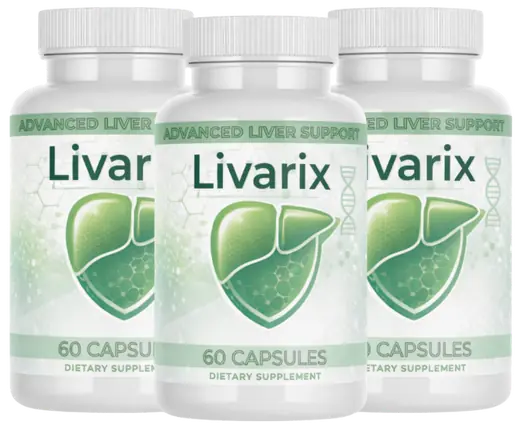
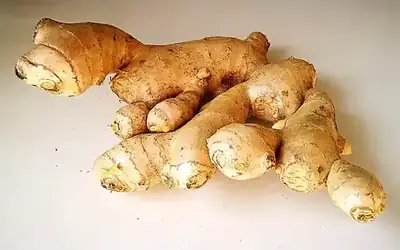
Ginger (Zingiber officinale) is a creeping perennial plant native to Southeast Asia. The part we eat and put in capsules is the rhizome, a knobby underground stem that most people simply call the root. Dried and ground, it becomes the tan powder found in spice jars and in the full Livarix ingredient list.
Key points
- Ginger root powder comes from the dried rhizome of Zingiber officinale.
- Its best-known compounds are gingerols and shogaols.
- Livarix contains 50 mg per two capsules, which is 25 mg per capsule.
- Liver trials used abuot 2,000 mg of ginger powder a day.
- NIH's LiverTox database has not linked ginger to liver injury.
- People on blood thinners should check with their doctor before taking ginger supplements.
The sharp taste of fresh ginger comes from a family of compounds called gingerols. When the root is dried or heated, part of the gingerol content converts into shogaols, which taste hotter. Both groups are the focus of most laboratory work on ginger, alongside the aromatic oils that give the root its smell.
Why ginger appears in liver formulas
Ginger's oldest use is for the stomach. The National Center for Complementary and Integrative Health (NCCIH) notes that it has been used traditionally for indigestion and stomach discomfort, and today it is best known for nausea. Since digestion and the liver work closely together (the liver makes the bile that helps you digest fat), herbalists have long paired ginger with bitter liver herbs such as dandelion leaf.
The modern interest comes from laboratory research. In cell and animal experiments, gingerols and shogaols act as antioxidants and calm some inflammatory signals. Fat buildup, oxidative stress and insulin resistance tend to travel together in liver tissue, so researchers began testing whetehr ginger could help people whose livers carry extra fat.
What human studies of ginger and the liver found
The human evidence is small but real. A 2023 meta-analysis pooled four randomized controlled trials with 177 patients who had non-alcoholic fatty liver disease. Compared with placebo, ginger was linked with lower readings of the liver enzyme ALT and a better score for insulin resistance. It showed no clear effect on AST, total cholesterol, LDL cholesterol or body mass index.
One of the more careful individual trials was published in 2024. Seventy-six adults with both type 2 diabetes and fatty liver took either 1,000 mg of ginger powder twice a day or a placebo for three months. Body mass index, waist size and liver enzymes improved in both groups, which is a reminder of how much taking part in a sutdy and paying attention to habits can do. The ginger group also saw better blood pressure, insulin resistance and HDL cholesterol. Liver fat measured by scan did not change.
Taken together, ginger is studied for metabolic markers tied to liver health, the early results lean positive, and the trials are few and short. They were also done in people with a diagnosed condition under medical care, using grams of ginger a day. None of this research tested Livarix, and a supplement is no substitute for the care of a doctor.
How the 50 mg of ginger in Livarix compares
Each two-capsule serving of Livarix liver support capsules provides 50 mg of ginger root powder. The label prints the amount outright, with no proprietary blend to hide it.
| Source | Ginger per day | Form |
|---|---|---|
| Livarix, 2 capsules | 50 mg | Root powder |
| 2024 fatty liver trial | 2,000 mg | Root powder capsules |
| Pregnancy nausea trials (2014 pooled analysis) | Under 1,500 mg looked best | Various oral forms |
| Half a teaspoon of ground ginger in cooking | About 1,000 mg | Spice |
The serving in Livarix is a gentle, food-level amount, around one fortieth of the dose in the fatty liver trial. We think the fair way to see it is as daily nutritional support alongside good habits, with ginger as one of eight ingredients working at modest levels.
Ginger in food and everyday use
You can get far more ginger from your kitchen than from any multi-herb capsule, and it is an easy habit to build. Fresh root keeps for weeks in the fridge and for months in the freezer, where it also grates more easily.
- Steep four or five thin slices of fresh root in hot water for ten minutes to make a simple tea.
- Grate a thumb-sized piece into stir-fries, soups or lentil dishes near the end of cooking.
- Stir ground ginger into oatmeal or yogurt with cinnamon in place of extra sugar.
Ginger safety, side effects and blood thinners
Ginger has a long safety record. LiverTox, the NIH database on supplements and liver injury, states that ginger is generally recognized as safe and has not been linked to raised liver enzymes or to clinically apparent liver injury. NCCIH adds that ginger taken by mouth has been used safely in many studies.
Side effects are usually mild and tied to larger doses: heartburn, abdominal discomfort, diarrhea, and irritation of the mouth or throat. At 50 mg these are unlikely, though a sensitive stomach may prefer taking the capsules with food.
The interaction people ask about most is with blood thinners such as warfarin. A 2015 systematic analysis looked at ten studes of ginger and platelet function. Four of the eight clinical trials found that ginger reduced platelet clumping and four found no effect, so the authors called the evidence equivocal. Until that is settled, anyone taking an anticoagulant or daily aspirin, or anyone with surgery scheduled, should tell their doctor before adding a ginger supplement.
The Livarix label advises pregnant or nursing mothers, children under 18 and people with a known medical condition to consult a physician first. If you ever notice yellow skin or eyes, dark urine, pain under the right ribs, a swollen belly or confusion, see a doctor promptly. Those signs need medical attention.
Common questions about ginger root
Is ginger hard on the liver?
No evidence points that way. In the LiverTox summary, ginger has not been connected with liver injury, and the fatty liver trials reported it as well tolerated.
Can I take Livarix and still cook with ginger?
Yes. The 50 mg in a serving is less than a pinch of the ground spice, so norml cooking amounts on top of it are fine for most adults. If you take a blood thinner, keep your doctor informed about supplements in general.
Where does ginger sit among the other ingredients?
It is fifth by weight, level with milk thistle at 50 mg. You can compare all eight Livarix ingredients and their doses on one page.
Check the Livarix price Opens trylivarix.com. Affiliate link.
Sources
- National Center for Complementary and Integrative Health. Ginger: Usefulness and Safety. NCCIH
- National Institute of Diabetes and Digestive and Kidney Diseases. Ginger. LiverTox: Clinical and Research Information on Drug-Induced Liver Injury. PubMed 38381909
- Zhou Q, et al. Ginger supplementation for the treatment of non-alcoholic fatty liver disease: a meta-analysis of randomized controlled trials. PubMed 37545930
- Ghoreishi PS, et al. The effects of ginger (Zingiber officinale Roscoe) on non-alcoholic fatty liver disease in patients with type 2 diabetes mellitus: a randomized double-blinded placebo-controlled clinical trial. PubMed 37817641
- Marx W, et al. The effect of ginger (Zingiber officinale) on platelet aggregation: a systematic literature review. PubMed 26488162
- Viljoen E, et al. A systematic review and meta-analysis of the effect and safety of ginger in the treatment of pregnancy-associated nausea and vomiting. PubMed 24642205
- MedlinePlus, National Library of Medicine. Blood Thinners. MedlinePlus