What "artichoke extract, 5% cynarin" means
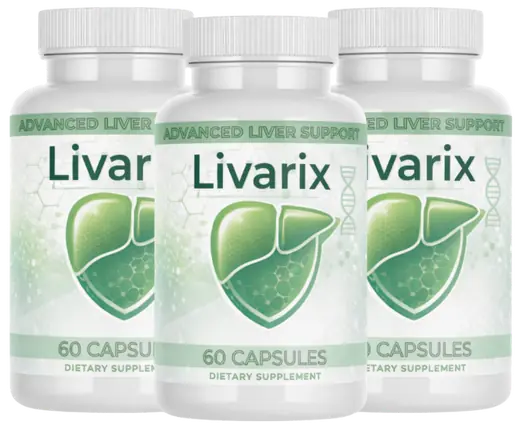
Most entries on the full Livarix ingredient list are plain ground plants. Artichoke is the exception. It appears as an extract, which means the plant material was concentrated, and the label promises a set level of one compound: 5% cynarin.
Key points
- Livarix provides 50 mg of artichoke extract per two capsules, which works out to 2.5 mg of cynarin.
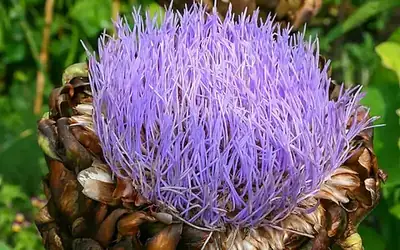
- The globe artichoke (Cynara scolymus) is a thistle in the daisy family.
- Artichoke extract has been shown to increase bile secretion in a small human study.
- Trials in fatty liver and indigestion used 600 mg to 2,700 mg of extract a day.
- People with gallstones, a blocked bile duct or a daisy-family allergy should ask a doctor first.
The plant is the same globe artichoke you see in the produce section. The part we eat is the unopened flower bud. Supplement extracts are most often made from the large, bitter leaves lower on the plant, which is why studies usually speak of artichoke leaf extract.
Cynarin belongs to a family of compounds called caffeoylquinic acids. Artichoke leaves also contain chlorogenic acid and flavonoids such as luteolin. Standardizing to cynarin gives the manufacturer a fixed marker to measure from batch to batch.
Cynarin, bile and the place of artichoke in liver formulas
Artichoke leaf has been a digestive remedy in European folk medicine for a long time, taken for the heavy, bloated feeling that can follow a rich meal. The traditional explanation is that it encourages the liver to release bile, which the body uses to break down fat.
That claim has been tested in people, at least once. In a 1994 German pilot study, 20 volunteers received a single 1.92 gram dose of a standardized artichoke extract or a placebo, delivered through a tube into the small intestine. Bile secretion measured over the next hours rose well above the starting level and was significantly higher than with placebo for about two to two and a half hours.
It was a small, short experiment with an unusual way of giving the dose, but it gives the tradition some footing.
Human trials of artichoke leaf extract
Artichoke has more human data behind it than many herbs in liver products.
- A 2018 double-blind trial gave 100 adults with fatty liver seen on ultrasound either 600 mg of artichoke leaf extract a day or a placebo for two months. Ninety finished. The extract group had lower ALT and AST readings and better ultrasound measurements, and no side effects were reported.
- A 2016 trial in 60 pople with nonalcoholic steatohepatitis used 2,700 mg of extract a day for two months and also reported improved liver enzymes and blood fats compared with placebo.
- A 2022 meta-analysis combined five randomized trials with 333 patients and found reductions in liver enzymes, total cholesterol, LDL cholesterol and triglycerides.
- For indigestion, a six-week German trial in 247 people with functional dyspepsia found greater symptom improvement with 1,920 mg of extract a day than with placebo.
These results are encouraging, and they have limits. The fatty liver trials were samll and lasted about two months. Nobody yet knows whether the changes in blood tests translate into better liver health over years. The participants had diagnosed conditions and were under medical care.
The research is about artichoke leaf extract in general. No trial has tested Livarix, and a dietary supplement does not treat fatty liver or any other disease.
How 50 mg of artichoke extract compares with trial doses
| Setting | Artichoke extract per day |
|---|---|
| Livarix, 2 capsules | 50 mg (2.5 mg cynarin) |
| 2018 fatty liver trial | 600 mg |
| 2003 indigestion trial | 1,920 mg |
| 2016 steatohepatitis trial | 2,700 mg |
The smallest trial dose is twelve times the amount in a serving of Livarix liver support capsules. Extracts also differ in strength, so the figures cannot be matched milligram for milligram, but the direction is clear. Livarix offers a gentle amount, in keeping with its role as daily nutritional support alongside good habits.
Our guide to all eight Livarix ingredients shows every dose side by side.
Artichokes on the plate
Whole artichokes look intimidating and are simple to cook. Steaming is the easiest method.
- Cut off the top inch of the bud and trim the stem so it sits flat.
- Rub the cut surfaces with lemon to slow browning.
- Steam over simmering water for 30 to 45 minutes, until an outer leaf pulls away easily.
- Pull off the leaves one at a time, dip them in olive oil or melted butter, and scrape the soft base with your teeth.
- Scoop out the fuzzy choke with a spoon and eat the tender heart underneath.
Canned, jarred and frozen hearts skip all that work and go straight onto pizza, into pasta or through a blender for dip.
Artichoke extract safety, side effects and interactions
Artichoke as a food is safe for most people, and the trials above reported few problems with extracts over six to eight weeks. Longer use has been studied less.
Gallstones and bile duct blockage are the main caution. Because artichoke extract can increase bile secretion, people with gallstones or an obstructed bile duct are routinely advised to avoid it unless a doctor agrees. Stones that block a duct cause a gallbladder attack, typically sudden pain in the upper right abdomen, and that needs prompt medical care.
Allergy is the second point. Artichoke is in the daisy family with ragweed, chrysanthemums, marigolds and dandelion. If you react to those plants, you may react to artichoke.
Artichoke supplements have not been well studied in pregnancy or breastfeeding. Tell your doctor or pharmacist about any supplement if you take prescription medicine, including cholesterol or diabetes drugs. The Livarix label asks pregnant or nursing mothers, people under 18 and anyone with a known medical condition to consult a physician first.
See a doctor quickly for yellow skin or eyes, dark urine, pain under the right ribs, a swollen belly or confusion. Those symptoms call for a diagnosis.
Common questions about artichoke extract
Is eating artichokes the same as taking the extract?
They overlap. The heart and inner leaves you eat are milder than the outer leaves used for extracts, and an extract is concentrated. Eating artichokes adds fiber that capsules lack.
Does artichoke extract affect cholesterol?
A 2018 meta-analysis of nine trials with 702 participants found lower total and LDL cholesterol with artichoke extracts. Those trials used far more than 50 mg a day, and a supplement is not a substitute for prescribed cholesterol treatment.
Is cynarin the only compound that matters?
Probably not. Cynarin is the marker printed on the label, while chlorogenic acid and the flavonoids are also under study. Researchers have not settled which compounds account for the effects seen in trials.
Check the Livarix price Opens trylivarix.com. Affiliate link.
Sources
- Kamel AM, Farag MA. Therapeutic potential of artichoke in the treatment of fatty liver: a systematic review and meta-analysis. PubMed 35763310
- Panahi Y, et al. Efficacy of artichoke leaf extract in non-alcoholic fatty liver disease: a pilot double-blind randomized controlled trial. PubMed 29520889
- Rangboo V, et al. The effect of artichoke leaf extract on alanine aminotransferase and aspartate aminotransferase in the patients with nonalcoholic steatohepatitis. PubMed 27293900
- Kirchhoff R, et al. Increase in choleresis by means of artichoke extract. PubMed 23195882
- Holtmann G, et al. Efficacy of artichoke leaf extract in the treatment of patients with functional dyspepsia: a six-week placebo-controlled, double-blind, multicentre trial. PubMed 14653829
- Sahebkar A, et al. Lipid-lowering activity of artichoke extracts: a systematic review and meta-analysis. PubMed 28609140
- National Institute of Diabetes and Digestive and Kidney Diseases. Gallstones. NIDDK