Beet root powder at a glance
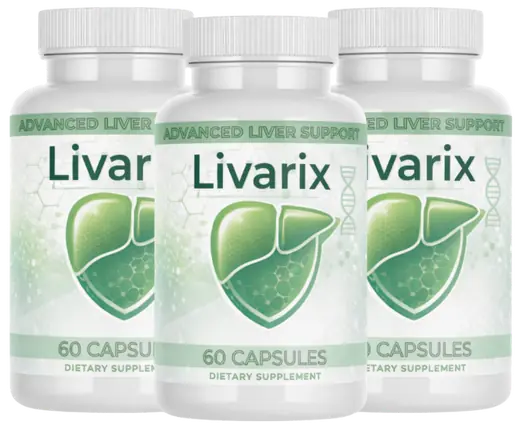
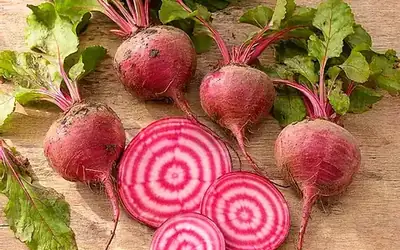
Beet root powder is exactly what the name says: the red taproot of Beta vulgaris, dried and milled. Livarix includes 200 mg of it in every two-capsule serving (100 mg per capsule), which places it second on the full Livarix ingredient list, right after turmeric.
Key points
- Livarix provides 200 mg of beet root powder per daily serving.
- Beets supply red betalain pigments, natural nitrate and polyphenols.
- Human studies used juice or whole beets in amounts many times larger than a capsule holds.
- Pink or red urine after beets is harmless and affects roughly 10% to 14% of people.
- Beets are a high-oxalate food, which matters mainly to people who form kidney stones.
What is inside a beet, and why beet root is used in liver formulas
Researchers focus on three groups of compounds.
- Betalains are the pigments. The red-violet ones are called betacyanins, with betanin the most abundant, and the yellow ones are betaxanthins.
- Nitrate is a natural mineral salt that beets take up from the soil. Your body converts part of it into nitric oxide, a molecule that hepls blood vessels relax.
- Polyphenols are a broad family of plant compounds that beets share with many fruits and vegetables.
Beets do not have the centuries of liver folklore that milk thistle or dandelion carry. Their place in liver formulas comes from modern lab work. A widely cited 2015 paper from Northumbria University describes how betalains show antioxidant and anti-inflammatory activity in cell and animal experiments, and oxidative stress is one of the processes scientists studdy in liver cells.
Results in a dish or in a rat do not tell us what a food does in a person, so the human studies below matter more.
What human research on beet root shows
Most human beet research is about blood pressure and exercise. Liver research is thin.
| Study | Who and what | Main finding |
|---|---|---|
| 2022 meta-analysis of 7 trials | 218 adults with high blood pressure drank 70 to 250 mL of beet juice daily for 3 to 60 days | Systolic pressure fell by about 5 mmHg on average. Diastolic pressure did not change significantly. |
| 2023 randomized trial | 180 adults with nonalcoholic fatty liver disease were assigned to beet juice, a Mediterranean diet, both, or a control group for 12 weeks | Liver enzymes, blood fats and ultrasound findings improved in the juice and diet groups, most of all with the two combined. |
| 2017 absorption study | 10 healthy men consumed 250 mL of juice or 300 g of whole beet | Nitric oxide markers in blood rose for 5 to 8 hours. Betanin could not be detected in blood at any time point. |
The blood pressure result is the most consistent, and the authors rated their confidence in it as moderate. The fatty liver trial is encouraging but stands alone. Participants also lost weight on average during the 12 weeks, which makes it hard to say how much of the change came from the juice.
The absorption study adds a note of caution about the pigment story. Betanin is plentiful in beets, yet very litle of it seems to reach the bloodstream intact. Whether its breakdown products do useful work in the body is an open question.
None of these studies involved Livarix, and no trial has tested the product itself.
The 200 mg of beet root in Livarix next to study amounts
A glass of juice in the trials above was 70 to 250 mL, and the whole beet serving was 300 g. Fresh beets are mostly water, so 200 mg of dried powder corresponds to only a couple of grams of fresh root. The gap is large.
We think it is fair to describe the beet in Livarix liver support capsules as a samll daily top-up of beet pigments and plant compounds: daily nutritional support alongside good habits. If you want the amounts that were studied for blood pressure, you would get them from juice or from beets at dinner, with your doctor's knowledge if you take blood pressure medicine.
Cooking with beets at home
Beets are cheap, keep for weeks in the refrigerator and take well to simple cooking. A few methods we like:
- Roast them whole in foil at 400°F for 45 to 60 minutes, then slip off the skins and slice.
- Grate them raw into a salad with carrot, lemon juice and olive oil.
- Simmer them into borscht, where the color that leaches into the broth is the point of the dish.
The leafy tops are edible too and cook like chard, a close relative. If you buy bottled beet juice, check the label for added sugar.
Red urine, oxalate and other beet safety notes
Beets have a famous party trick. After eating them, some people pass pink or red urine, a harmless effect called beeturia. It is reported in roughly 10% to 14% of the population and is more common in people with iron deficiency. Stools can turn reddish as well. The color fades within a day or two.
At 200 mg, a capsule is far less likely to cause this than a plate of roasted beets, but it is possible if you are sensitive. Red urine that appears when you have not eaten beets, or that keeps coming back, needs a doctor's attention because it can be blood.
Oxalate is the other point to know. Beets sit with rhubarb and spinach among the common high-oxalate foods, and calcium oxalate is the most common type of kidney stone. For most people an occasional high-oxalate food is no problem. If you have had kidney stones, follow the eating plan your doctor or dietitian gave you and mention any beet supplement you take. The National Institute of Diabetes and Digestive and Kidney Diseases says drinking enough liquid, mainly water, is the most important step in preventing stones.
The product label also asks pregnant or nursing mothers, anyone under 18 and people with a known medical condition to consult a physician first.
Common questions about beet root powder
Is beet root powder the same as beet juice?
They come from the same root, but the amounts differ greatly. Powder keeps the fiber and loses the water. Juice delivers a much larger dose of nitrate and pigment per serving then a capsule can hold.
Will Livarix lower my blood pressure?
We would not expect that. The blood pressure studies used daily glasses of juice, and a dietary supplement is not a treatment for hypertension. Keep taking any prescribed medicine and discuss changes with your doctor.
What else is in the formula?
Beet shares the capsule with seven other ingredients, including turmeric root powder. You can read about all eight Livarix ingredients and their doses in our ingredient guide.
Check the Livarix price Opens trylivarix.com. Affiliate link.
Sources
- Benjamim CJR, et al. Nitrate derived from beetroot juice lowers blood pressure in patients with arterial hypertension: a systematic review and meta-analysis. PubMed 35369064
- Fateh HL, et al. Comparing effects of beetroot juice and Mediterranean diet on liver enzymes and sonographic appearance in patients with non-alcoholic fatty liver disease: a randomized control trials. PubMed 37662597
- Clifford T, et al. The potential benefits of red beetroot supplementation in health and disease. PubMed 25875121
- Clifford T, et al. The plasma bioavailability of nitrate and betanin from Beta vulgaris rubra in humans. PubMed 26873098
- Watts AR, et al. Beeturia and the biological fate of beetroot pigments. PubMed 8148871
- Bansal P, et al. Beeturia. In: StatPearls. PubMed 30725697
- Noonan SC, Savage GP. Oxalate content of foods and its effect on humans. PubMed 24393738
- National Institute of Diabetes and Digestive and Kidney Diseases. Eating, diet, and nutrition for kidney stones. NIDDK
- National Institute of Diabetes and Digestive and Kidney Diseases. Definition and facts for kidney stones. NIDDK