What alfalfa leaf is
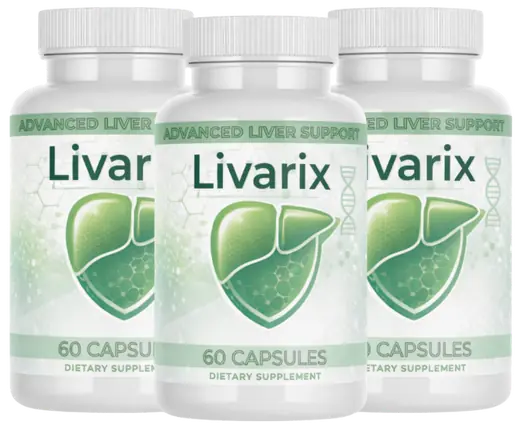
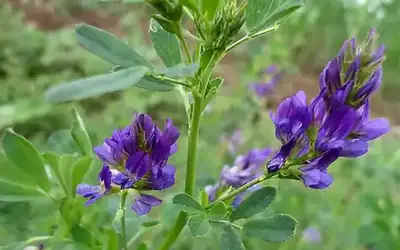
Alfalfa (Medicago sativa), called lucerne in much of the world, is a deep-rooted member of the pea family. Farmers grow it mainly as hay for livestock. People eat it too, mostly as sprouts on sandwiches or as dried leaf in teas, tablets and capsules. Dried, milled leaf is the form you will find in the full Livarix ingredient list.
Key points
- Alfalfa leaf powder comes from Medicago sativa, a legume grown mostly as animal feed.
- Livarix contains 20 mg per two capsules, the lowest herbal amount on the label.
- We found no human trials of alfalfa for liver health.
- Alfalfa is a source of vitamin K, which matters for people taking warfarin.
- People with lupus or another autoimmune condition are advised to avoid alfalfa supplements.
The leaf is a green food first. Like other leafy plants it supplies vitamin K, and MedlinePlus describes alfalfa as containing large amounts of it. Chemists have also described saponins (soapy compounds that bind cholesterol in the gut), flavonoids such as apigenin and luteolin, and coumestrol, a plant compound with a weak estrogen-like action.
One more compound deserves a mention. Alfalfa seeds and sprouts contain L-canavanine, an amino acid that resembles arginine. It is the reason for the lupus caution described further down.
Why alfalfa appears in liver formulas
Alfalfa has a place in folk herbalism as a general "green tonic", taken for digestion and appetite. Supplement makers often add a little of it to multi-herb blends for the same reason a cook adds parsley: it rounds out a formula with leafy plant material and its natural pigments and minerals.
There is a loose scientific thread as well. Animal research going back to the 1970s found that alfalfa saponins reduce cholesterol absorption from the intestine. Cholesterol is processed by the liver and leaves the body through bile, so an herb that touches cholesterol handling has an obvious appeal to anyone designing a liver product.
What human research says about alfalfa
We will be direct: we could not find a single human trial that tested alfalfa leaf for liver halth. MedlinePlus, the consumer health service of the National Library of Medicine, says people use alfalfa for high cholesterol, diabetes, indigestion and other conditions, and that there is no good scientific evidence to support these uses.
The few human studies that exist are about cholesterol and used the seeds. In one from 1987, fifteen patients with high blood lipids ate 40 grams of heat-prepared alfalfa seeds three times a day for eight weeks. Total and LDL cholesterol fell during the study and returned to their starting levels once the seeds were stopped. That was a small, uncontrolled study using a food-sized amount of a different plant part.
So alfalfa's standing is simple to describe. It is a traditional green herb with interesting chemistry, some animal data and almost no clinical testing. In Livarix it is best understood as a minor supporting ingredient. Better-studied ingredients such as turmeric root powder carry more of the research weight.
How much alfalfa is in Livarix
Two capsules of Livarix supply 20 mg of alfalfa leaf powder, so each capsule holds 10 mg. Only the L-cysteine is present in a smaller quantity.
Twenty milligrams is a pinch. The seed study above used 120 grams a day, which is 6,000 times more by weight. At this level alfalfa adds a trace of leafy plant material to the formula. The whole product is built on gentle, food-level amounts meant as daily nutritional support alongside good habits, and the alfalfa is the clearest example of that approach.
Alfalfa as a food
If you want what alfalfa offers, the plate is a better source than a pill. Alfalfa sprouts are low in calories and add crunch to salads, wraps and grain bowls.
One practical warning about sprouts: raw sprouts of all kinds, alfalfa included, have been tied to outbreaks of Salmonella and other foodborne infections. Pregnant women, older adults, young children and people with weak immune systems are usually advised to eat sprouts cooked or to skip them.
For vitamin K and the other nutrients of green leaves, ordinary vegetables do the job well. MedlinePlus lists kale, spinach, collards, romaine, broccoli and Brussels sprouts among the best vitamin K sources. Adult men need about 120 micrograms a day and adult women about 90.
Alfalfa safety: warfarin, lupus and other cautions
MedlinePlus rates alfalfa leaf as possibly safe for short-term use and warns against high doses or long-term heavy use. The 20 mg in Livarix is far from a high dose. Even so, a few groups should speak with a doctor before taking any product that contains alfalfa.
- People taking warfarin (Coumadin). Vitamin K helps blood clot, so alfalfa could reduce the effect of the drug. MedlinePlus classes this as a major interaction. Warfarin works best when vitamin K intake stays steady from day to day, so tell your anticoagulation clinic about any new supplement.
- People with lupus or another autoimmune condition. Monkeys fed alfalfa sprouts developed a lupus-like illness in a 1982 study, and L-canavanine brought it back. A few case reports describe lupus flares in people taking alfalfa tablets. A 2006 paper called the human link controversial, but the standard advice is to avoid alfalfa if you have an autoimmune disease.
- People with hormone-sensitive conditions, and women who are pregnant or breastfeeding. Alfalfa may act like a weak estrogen, and amounts above those in food are considered possibly unsafe in pregnancy.
- People taking diabetes medicines, immunosuppressants after a transplant, or drugs that raise sun sensitivity. Alfalfa mihgt add to or work against these.
The Livarix label itself asks pregnant or nursing mothers, children under 18 and anyone with a known medical condition to consult a physician first.
Common questions about alfalfa leaf
Does alfalfa do anything for the liver?
Nobody has shown that in people. Its use is traditional, and its part in the formula is small. For liver concerns, and for symptoms such as yellow skin or eyes, dark urine, pain under the right ribs, a swollen belly or confusion, you need a doctor.
Is the leaf different from the sprouts?
Yes. Sprouts are germinated seeds eaten fresh. The L-canavanine research was done with seeds and sprouts, and sprouts also bring the food safety concerns of raw produce. Livarix uses dried leaf powder.
Why include an ingredient at only 20 mg?
Formulators often use small amounts of green herbs to broaden a blend. You can see how it sits beside all eight Livarix ingredients, where turmeric and beet root make up most of each capsule.
Check the Livarix price Opens trylivarix.com. Affiliate link.
Sources
- MedlinePlus, National Library of Medicine. Alfalfa. MedlinePlus
- MedlinePlus, National Library of Medicine. Vitamin K. MedlinePlus
- Mölgaard J, et al. Alfalfa seeds lower low density lipoprotein cholesterol and apolipoprotein B concentrations in patients with type II hyperlipoproteinemia. PubMed 3606731
- Malinow MR, et al. Systemic lupus erythematosus-like syndrome in monkeys fed alfalfa sprouts: role of a nonprotein amino acid. PubMed 7071589
- Roberts JL, Hayashi JA. Exacerbation of SLE associated with alfalfa ingestion. PubMed 6843625
- Akaogi J, et al. Role of non-protein amino acid L-canavanine in autoimmunity. PubMed 16890899