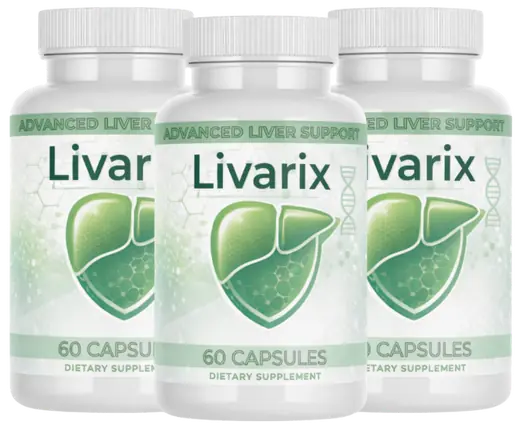
Dandelion leaf: the plant and the part Livarix uses
The dandelion in your lawn and the dandelion in a supplement are the same species, Taraxacum officinale. It belongs to the daisy fmaily, is native to Europe and now grows across the temperate Northern Hemisphere. Herbal products may use the root, the flower or the leaf. Livarix uses the dried, powdered leaf, and you will find it third on the full Livarix ingredient list at 100 mg per two capsules.
Key points
- Each Livarix serving contains 100 mg of dandelion leaf powder, or 50 mg per capsule.
- Dandelion has a long folk history as a bitter digestive green and a mild diuretic.
- NCCIH says there is no compelling scientific evidence for dandelion in any health condition.
- Liver research so far comes from animal experiments.
- People with daisy-family allergies, gallstones or a blocked bile duct should speak to a doctor first.
The leaf tastes distinctly bitter. Dandelion also contains polyphenols and a compound called taraxasterol, which a 2025 scientific paper named among its main bioactive constituents.
How dandelion became a liver and digestion herb
Long before capsules existed, people ate young dandelion leaves in spring, when few other fresh greens were available. Healers in Europe, Asia and the Americas also used the plant as medicine. The National Center for Complementary and Integrative Health (NCCIH) notes its place in traditional Mexican and other North American practice.
Two traditional uses explain why dandelion ends up in liver formulas today. The first is as a "bitter". Herbal traditions hold that bitter plants taken with meals wake up digestion and encourage the flow of bile, the fluid your liver makes to help digest fat. The second is as a diuretic, a plant that increases urine output. The French common name for dandelion, pissenlit, makes the point bluntly.
Tradition records what people believed and how they used a plant. Whether the plant works is a question for research.
How strong the evidence for dandelion is
The evidence is weak. NCCIH states that very little is known about dandelion's effects on human health and that no compelling scientific evidence supports its use for any condition.
On the liver specifically, the available studes were done in animals. The 2025 paper mentioned above gathered experiments in which dandelion extracts protected the livers of rodents exposed to alcohol, carbon tetrachloride or large doses of paracetamol (acetaminophen). The authors called these results promising and said clinical trials are needed to confirm safety, effectiveness and dosing in people.
The diuretic tradition has one small human test behind it. In a 2009 pilot stduy, 17 volunteers took 8 mL of a fresh dandelion leaf extract three times over a single day. They urinated more often in the five hours after the first dose. The study had no placebo group and lasted one day, so it is a first hint and nothing more.
In short, dandelion leaf is a traditional food herb with interesting lab findings and almost no human testing.
Dandelion leaf in Livarix: 100 mg per serving
One hundred milligrams of dried leaf is a pinch. For comparison, a cup of chopped raw dandelion greens weighs about 55 grams, and the volunteers in the diuretic study drank 24 mL of liquid extract in a day.
So the dandelion in Livarix is a food-level amount, smaller than what you would eat in a side salad. We see it as a modest nod to the herbal tradition and as daily nutritional support alongside good habits. No trial has tested Livarix itself, and we would not expect a diuretic effect from this dose.
A small amount has a benefit of its own. NCCIH considers dandelion in the amounts commonly found in food to be likely safe, while less is known about larger doses.
Eating dandelion greens
If you like the idea of dandelion, the produce aisle is the obvious place to get more of it. Many grocery stores and farmers markets sell the greens in bunches. The leaves are long and toothed, and the flavor sits somewhere between arugula and radicchio.
Young spring leaves are the mildest and work raw. The classic French version tosses them with a warm bacon and vinegar dressing. Older leaves are tougher and more bitter, so cooks usually blanch them in salted water for a minute or two, then sauté them with garlic and olive oil.
If you forage, remember that lawns, parks and roadsides are often sprayed with weedkiller or visited by dogs. Only pick from ground you know is clean, and wash the leaves well.
Who should be careful with dandelion
Dandelion as food troubles very few people. Supplements deserve a little more thought, mostly because of how little testing exists. Check with a doctor or pharmacist first in these situations.
- You are allergic to plants in the daisy family, such as ragweed, chrysanthemums, marigolds or daisies. NCCIH describes the evidence on cross-reactions as conflicting, and skin reactions from handling dandelion have been reported, so caution makes sense.
- You have gallstones or a blocked bile duct. Herbal references have long advised against bitter herbs here, since anything that might stimulate bile flow could aggravate a blockage. Sudden pain in the upper right abdomen needs medical care right away.
- You take water pills, diabetes medicine, or drugs that slow clotting such as anticoagulants and antiplatelets. NCCIH lists thsee as possible interactions on theoretical grounds.
- You are pregnant or breastfeeding. Little is known about the safety of amounts above those in food.
The Livarix label adds children under 18 and anyone with a known medical condition to that list.
One more point applies to every liver supplement. Yellow skin or eyes, dark urine, pain under the right ribs, a swollen belly or confusion are signs to see a doctor promptly.
Common questions about dandelion leaf
Is dandelion leaf different from dandelion root?
Yes. They are different parts of the same plant with different traditional roles. The leaf is the salad green and the folk diuretic. The root is usually roasted for tea or coffee substitutes. Livarix contains the leaf only.
Will the dandelion in Livarix make me urinate more?
It is unlikely at 100 mg. The single human study that saw an effect used a far larger amount of a liquid extract.
Is dandelion tea the same thing?
Dandelion tea may be made from leaf, root or both, and strength varies a lot between brands. The same cautions about allergies, gallstones and medicines apply to tea.
What are the other herbs in the capsule?
Dandelion sits beside artichoke extract, another member of the daisy family, and six more. Our guide covers all eight Livarix ingredients with the dose of each.
Check the Livarix price Opens trylivarix.com. Affiliate link.
Sources
- National Center for Complementary and Integrative Health. Dandelion: usefulness and safety. NCCIH
- Herrera Vielma F, et al. The role of dandelion (Taraxacum officinale) in liver health and hepatoprotective properties. PubMed 40732279
- Clare BA, et al. The diuretic effect in human subjects of an extract of Taraxacum officinale folium over a single day. PubMed 19678785
- Ingber A. Seasonal allergic contact dermatitis from Taraxacum officinale (dandelion) in an Israeli florist. PubMed 10902595
- National Institute of Diabetes and Digestive and Kidney Diseases. Gallstones. NIDDK
- National Center for Complementary and Integrative Health. Using dietary supplements wisely. NCCIH