Milk thistle at a glance
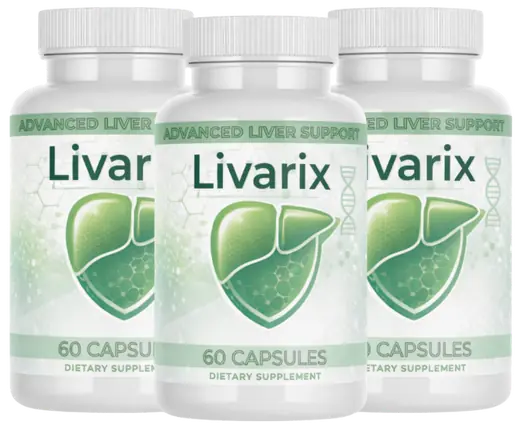
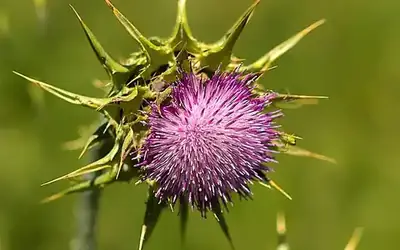
Milk thistle (Silybum marianum) is a tall, prickly plant with purple flowers and white-veined leaves. It is native to Europe and now also grows in the United States and South America. The part used in supplements is the fruit, usually called the seed, and it is one of the eight items on the full Livarix ingredient list.
Key points
- Milk thistle supplements are made from the seeds of Silybum marianum.
- The studied compound group is silymarin, a mixture that includes silybin A and B.
- Livarix provides 50 mg of milk thistle powder per two capsules.
- Large U.S. trials of high-dose silymarin found no clear benefit, while pooled smaller trials look more positive.
- People allergic to ragweed, daisies or marigolds can react to it.
The seeds hold a group of plant compounds known together as silymarin. According to the National Cancer Institute, silybin A and silybin B are its major components. Nearly all clinical research uses a concentrated silymarin extract, so the two words, milk thistle and silymarin, are often used as if they meant the same thing. Silymarin is only one fraction of the seed.
How milk thistle became the best-known liver herb
The National Cancer Institute notes that milk thistle fruit and seeds have been used for more than 2,000 years for liver and bile duct complaints. European herbal traditions carried it forward, and early colonists brought the plant to North America.
Laboratory science gave that tradition a possible explanation. In cell and animal studies, silymarin behaves as an antioxidant, and researchers have explored whether it helps liver cells hold up under chemical stress. That is why it appears in so many liver formulas, ofetn beside artichoke extract, which comes from a fellow thistle.
What human research on milk thistle and silymarin says
This is one of the most studied herbs in liver medicine, and the results pull in two directions. The National Center for Complementary and Integrative Health (NCCIH) sums it up by saying there is not enough high-quality evidence to reach definite conclusions.
The more encouraging side comes from pooled data. A 2024 meta-analysis combined 26 randomized trials with 2,375 patients who had fatty liver conditions. Across those trials, silymarin was associated with beter ALT and AST readings, better blood lipids and improved fatty liver scores.
The cautious side comes from the best-designed individual trials, both funded in part by NIH:
- A 2012 trial in JAMA gave 154 people with chronic hepatitis C either 420 mg or 700 mg of silymarin three times a day, or a placebo, for 24 weeks. Silymarin did no better than placebo on ALT levels.
- A 2019 trial gave the same doses for 48 weeks to adults with biopsy-proven fatty liver inflammation. Of 78 people randomized, similar shares in each group improved, and the authors reported no benefit from silymarin, along with no difference in side effects.
An older Cochrane analysis of 18 trials and 1,088 patients with alcohol-related or viral liver disease found no significant effect on deaths and judged most of the trials to be of low quality.
Put togetehr, the picture is of a well-tolerated herb with promising signals in smaller studies that have not held up consistently in stricter ones. All of this work involved people with diagnosed liver disease, treated by physicians, using concentrated extracts. It says nothing direct about Livarix, which has not been tested in a trial.
What 50 mg of milk thistle powder means on the Livarix label
A serving of Livarix contains 50 mg of milk thistle powder, or 25 mg per capsule. The label says "Milk Thistle Powder" and does not state a silymarin percentage, so we cannot tell you how many milligrams of silymarin a serving delivers.
For scale, the two NIH-backed trials used 1,260 mg to 2,100 mg of silymarin extract a day. Whole seed powder is less concentrated then extract, so the amount in Livarix is a gentle, food-level one, far below research doses. It makes sense as part of daily nutritional support alongside good habits, sharing the work with seven other ingredients.
Who should be careful with milk thistle
NCCIH describes milk thistle taken by mouth as well tolerated. When side effects happen they tend to be digestive: bloating, gas, nausea, or looser stools.
Allergy deserves attention. Milk thistle belongs to the daisy faimly, and NCCIH warns that it may cause allergic reactions in people who are sensitive to relatives such as ragweed, chrysanthemum, marigold and daisy. If those plants give you hives or breathing trouble, skip products that contain it or ask an allergist first.
Blood sugar is the other point. A small number of studies suggest milk thistle extracts may lower blood sugar somewhat in people with type 2 diabetes. If you take insulin or diabetes tablets, let your prescriber know and watch your readings when you start any new supplement.
Little is known about safety in pregnancy or breastfeeding. The Livarix label asks pregnant or nursing mothers, anyone under 18 and people with a known medical condition to consult a physician before use.
Milk thistle in food and daily life
Milk thistle is less of a kitchen ingredient than ginger or turmeric, though it is edible. The seeds can be ground and sprinkled over oatmeal or blended into smoothies, and they taste mild and slightly bitter.
Quality varies between products. NCCIH points out that some milk thistle supplements have contained silymarin amounts well off tehir label claims, and some have been contaminated with pesticides or mold toxins. Buying from a maker that works in a GMP-certified facility and prints every dose, as Livarix does, lowers that risk.
Limiting alcohol, keeping a steady weight, staying current with hepatitis vaccination and getting routine blood work do more for the liver than any herb or capsule. See a doctor promptly for yellow skin or eyes, dark urine, pain under the right ribs, belly swelling or confusion.
Questions people ask about milk thistle
How long do studies run before measuring results?
The trials described above lasted from 24 to 48 weeks. Milk thistle is studied as a long-term daily supplement, and nobody should expect to feel a change in days.
Can I take milk thistle with my medications?
Often yes, but check fisrt. Tell your doctor or pharmacist about every supplement you use, especially if you take diabetes medicine or drugs with a narrow dosing range.
Is milk thistle powder the same as silymarin extract?
No. Powder is the milled whole seed, while an extract concentrates the silymarin fraction. Livarix uses powder, which you can see alongside all eight Livarix ingredients and their amounts.
Check the Livarix price Opens trylivarix.com. Affiliate link.
Sources
- National Center for Complementary and Integrative Health. Milk Thistle: Usefulness and Safety. NCCIH
- National Cancer Institute. Milk Thistle (PDQ), Patient Version. National Cancer Institute
- Li S, et al. Administration of silymarin in NAFLD/NASH: a systematic review and meta-analysis. PubMed 38579127
- Fried MW, et al. Effect of silymarin (milk thistle) on liver disease in patients with chronic hepatitis C unsuccessfully treated with interferon therapy: a randomized controlled trial. PubMed 22797645
- Navarro VJ, et al. Silymarin in non-cirrhotics with non-alcoholic steatohepatitis: a randomized, double-blind, placebo controlled trial. PubMed 31536511
- Rambaldi A, et al. Milk thistle for alcoholic and/or hepatitis B or C virus liver diseases. PubMed 17943794